
As we age, our skin loses moisture and elasticity, leading to dryness, fine lines, and dullness. While genetics do play a role, small daily changes to your skincare routine and lifestyle can make a monumental difference in combating lackluster winter skin. Follow this comprehensive guide on understanding the root causes of dryness and learn simple, targeted tips to restore comfort, softness, and glow.
From gentle cleansers that won’t strip skin to rich balms packed with ceramides, plenty of over the counter options replenish aging skin. Additionally, using lukewarm water, adding moisture-binding humectants to your diet, and protecting skin from harsh weather prevents further drying.
With nurturing adjustments to your daily regimen, it’s possible to have supple, nourished skin at any age. This guide details impactful everyday habits for renewed moisture and brightness. Follow along to discover the ideal winter skin care regimen.




18 Responses
Should I incorporate any new ingredients into my skincare routine now that I’m over 40?
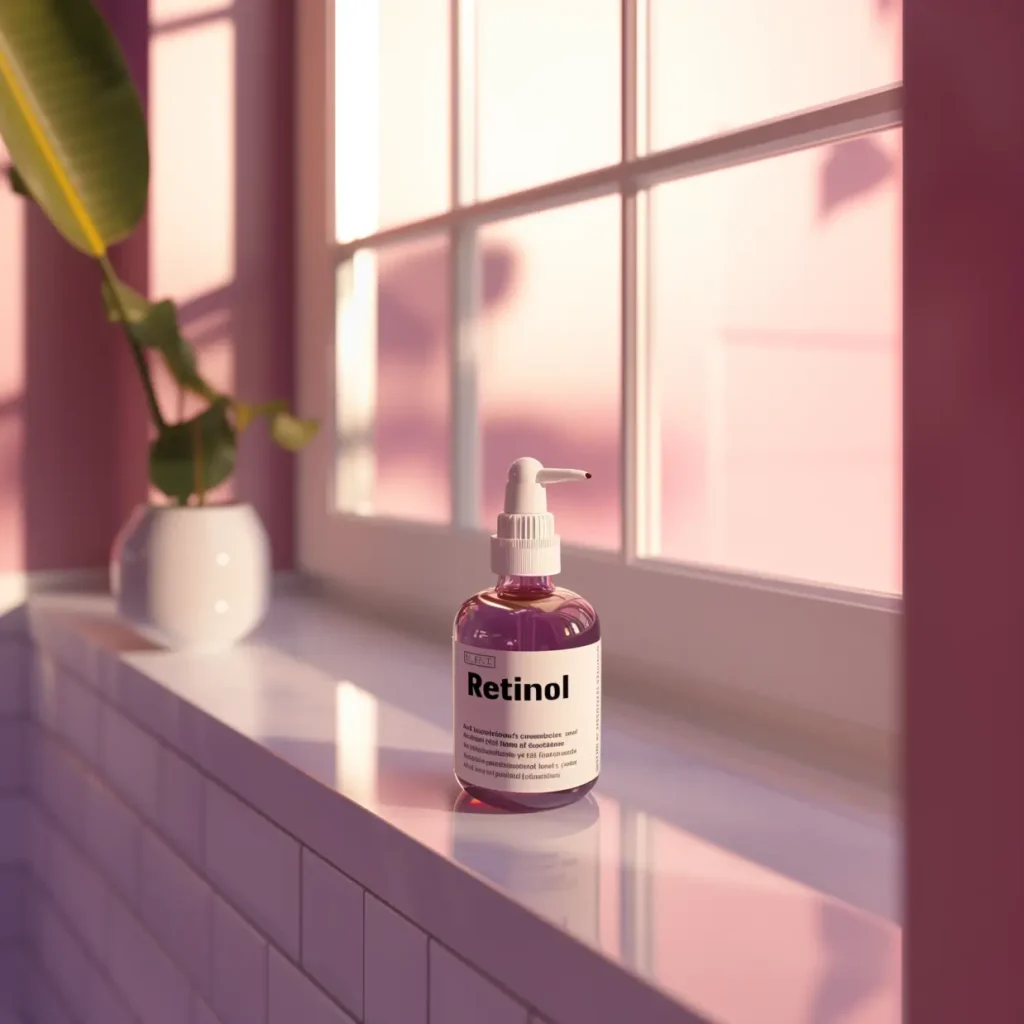
Yes, look for targeted anti-aging ingredients like retinol to boost collagen and peptides to support firmness. Hyaluronic acid and ceramides also provide deep hydration as skin loses moisture and lipids with age. Start by using 2-3 times per week and slowly increase frequency based on your skin’s tolerance.
Does eating certain foods help to combat winter dry skin?
Foods rich in omega fatty acids like avocados, nuts and olive oil strengthen skin’s moisture barrier from the inside out. Dark leafy greens contain antioxidants that nourish skin. Stay well hydrated and consume bone broth for a collagen boost.
Should I keep using my hydroxy acid toners and peels in the winter?
Limit use to 1-2 times per week max as these exfoliate already dry, flaky skin. Instead, opt for ultra-gentle polyhydroxy acid toners that lift away dead skin cells without stripping delicate skin.
Are there any do’s or don’ts related to using moisturizers?
DO apply your richest, most emollient moisturizer immediately after cleansing while skin is still damp. This helps seal in hydration. DON’T forget your neck when moisturizing, as the delicate skin here also loses elasticity and moisture with age.
My skin appears dull and lackluster. What can help?
Dullness is often linked to dryness and dead skin buildup. Using a weekly PHA peel reveals glow by removing dead cells. Vitamin C and antioxidant serums also impart radiance while stimulating collagen production. Alpha hydroxy acid serums with glycolic or lactic acid gently brighten.
How bad is occasional itching related to dry winter skin?
Itching is uncomfortable but also signals possible inflammation. Be sure to nurture skin gently with thick balms and hydrating masks rather than scratching. Also, keep showers lukewarm instead of hot and limit lengthy exposure outdoors to prevent exacerbation of dryness.
Are there additional precautions I should take when outdoors?
Yes, always shield skin with broad spectrum SPF 30 sunscreen, even in winter when rays reflect off snow. Seek shade during peak sun hours and cover skin with lightweight layers before venturing outside into cold, windy weather.
What changes can I make to my indoor space to prevent dry skin?
Use a humidifier in your home and office to counteract dry forced-air heating. Keep home temperatures set to a moderate 68-70°F; too much heat leads to excess evaporation of moisture from skin’s surface.
Should I visit an esthetician or dermatologist if my dry skin persists?
Yes. An esthetician can evaluate your skin in-person, provide specialized treatments, and recommend a tailored skin care regimen. A dermatologist can assess for underlying conditions and prescribe topical medications that can effectively repair and replenish severely dry skin when over the counter options alone aren’t sufficient.